


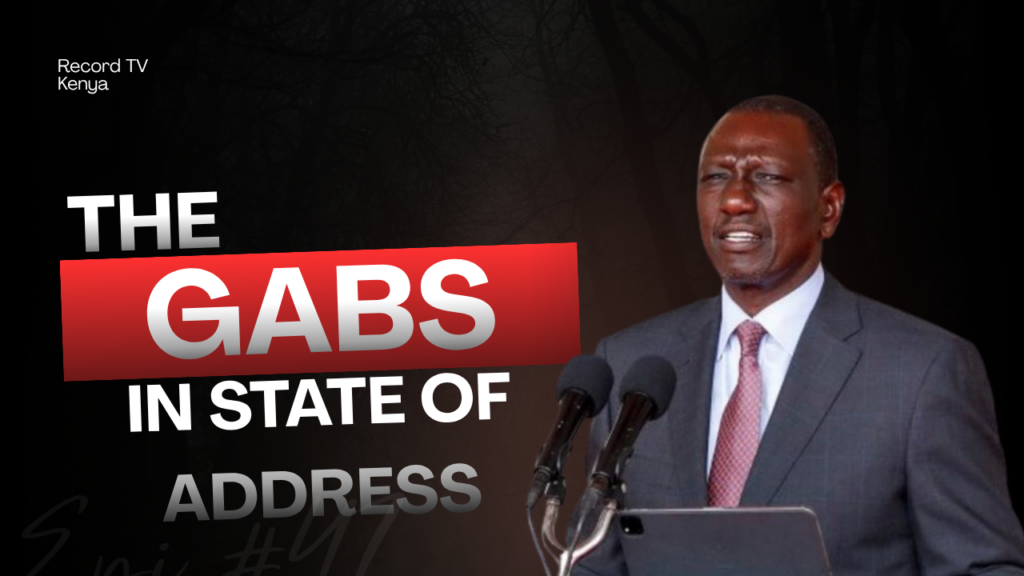
The State of the Nation Address presented a narrative of economic recovery, national transformation and development. Yet, despite the Government’s account of progress, it left significant questions unanswered about the everyday realities of Kenyans and the tangible effects of public policies and programmes.
The President highlighted macroeconomic stability, currency performance and economic growth. These indicators, however, do not necessarily translate into improved household welfare. The high cost of food, electricity, transport, healthcare and other essentials continues to place considerable pressure on households. The Address did not adequately show how reported economic gains have increased purchasing power, reduced poverty or improved living standards.
The Government’s employment initiatives—including youth empowerment programmes, digital opportunities and entrepreneurship support—were also highlighted without clearly distinguishing between opportunities announced, beneficiaries trained and sustainable jobs secured.
Unemployment, underemployment and inadequate remuneration remain serious challenges for young people. Addressing them requires measurable results, not just programme announcements.
The Address also lacked a comprehensive account of public debt, debt-servicing obligations and the fiscal implications of the Government’s development agenda. The sustainability of proposed infrastructure and transformation programmes depends on greater transparency about financing arrangements, contingent liabilities and the costs that may be passed on to future generations.
On corruption and governance, the Address presented institutional reforms, legislation and digitisation as important achievements. But it did not adequately demonstrate whether these measures have led to successful prosecutions, the recovery of public funds, effective deterrence or accountability for officials implicated in wrongdoing. Reforms should ultimately be judged by how well they protect public resources and uphold accountability.
Healthcare and education were assessed largely through figures on enrolment, recruitment, infrastructure and programme implementation. While important, these figures do not by themselves demonstrate effective access, quality of service, adequate funding or improved outcomes. Concerns about healthcare financing, delayed payments, school resources, teacher shortages and the financial burden on households remain unresolved.
Infrastructure, housing and agriculture also require assessment against completion rates, affordability, equitable distribution and the benefits delivered to citizens. Announced projects and initiatives still under implementation should be clearly distinguished from completed, operational interventions.
Ultimately, the Address outlined Government achievements and future ambitions but did not provide a sufficiently comprehensive framework for accountability. Such a framework should identify outstanding commitments, implementation failures, expenditure, responsible institutions and clear timelines for corrective action. A credible assessment of the state of the nation must balance achievements with shortcomings and show, through verifiable evidence, how national progress is improving the welfare, dignity and economic security of Kenyans.