
Juba, South Sudan | August 1, 2026
For thousands of families across South Sudan, every increase in the price of fuel means more than paying extra at the pump. It means higher food prices, more expensive transport, struggling businesses, and households forced to make impossible choices.
That is why a growing legal battle over the country’s fuel import system has become more than a corporate dispute. It is now a fight over whether ordinary citizens should bear the cost of a market controlled by a single supplier.
At the center of the controversy is a Government-to-Government (G-to-G) fuel import arrangement that granted Pacific Petroleum Co. Ltd. exclusive rights to import and distribute fuel in South Sudan.
Court filings allege the contract was awarded through a single-source process without open competition, raising questions about transparency and compliance with procurement laws.
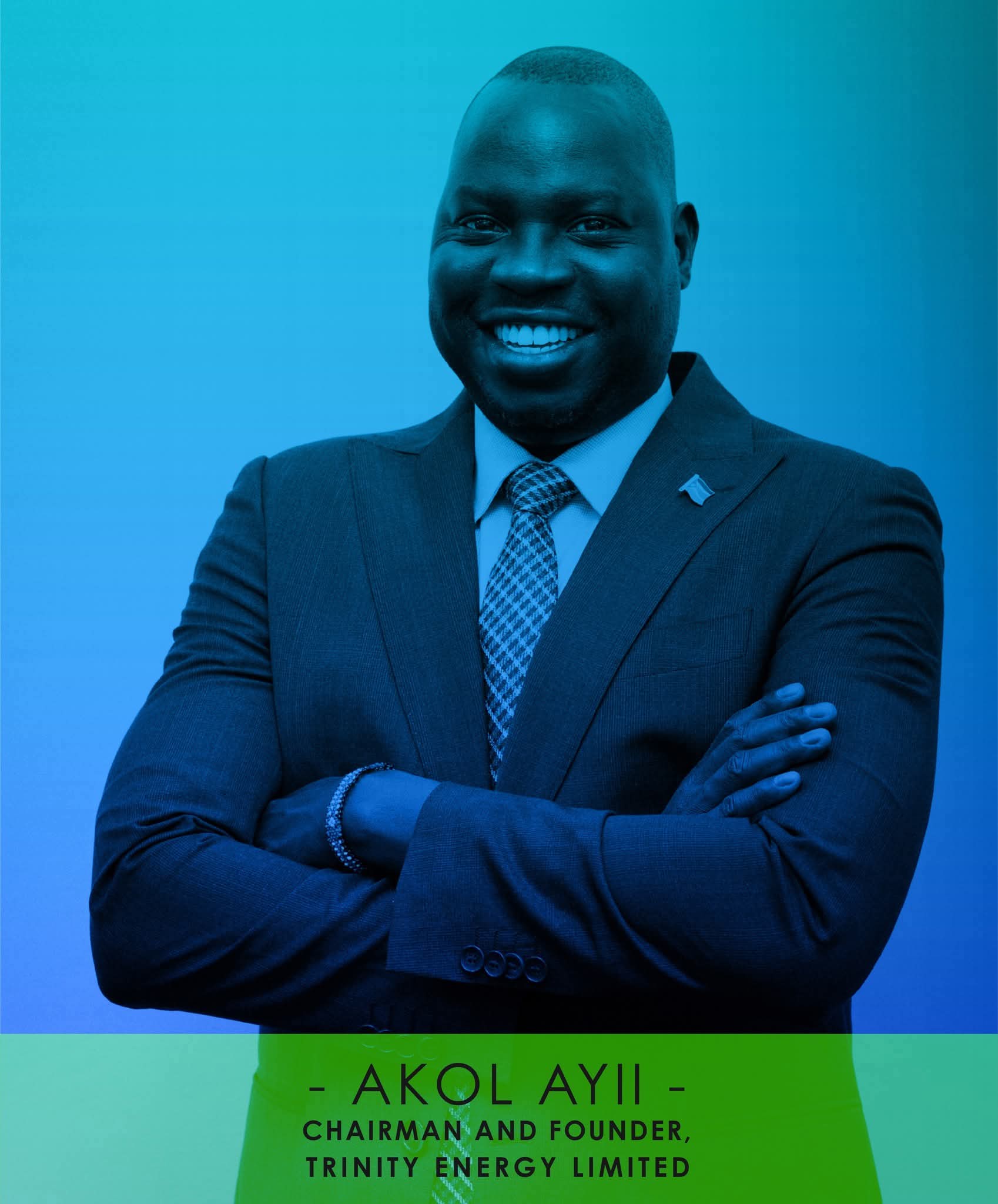
The debate extends beyond one company. Trinity Energy, one of the country’s largest fuel traders, has also come under scrutiny. According to investigations by The Sentry, Trinity received more than 40 percent of South Sudan’s crude oil allocations between 2018 and 2019 and later sold the cargoes through international markets.
The same investigation reported that the company spent approximately US$6.5 million on financing-related costs, including millions of dollars categorized as travel, meetings, lobbying, and facilitation expenses.
Investigators argued that such spending raises significant corruption risks, although the allegations remain contested.
Corporate ownership records have also drawn attention. Trinity Energy’s Executive Director, Ann Kathure Rutere, is reported to have interests in another company connected to fuel transportation, a relationship that critics argue could present potential conflicts of interest. No court has ruled that this arrangement was unlawful.
The matter reached the courts after Advocates Without Borders filed a public interest case challenging the fuel monopoly. On June 24, 2026, the Court of Appeal issued orders suspending aspects of the arrangement. The court later found that the relevant ministry had acted contrary to those orders and directed corrective action.
Despite the legal proceedings, allegations have surfaced that influential interests attempted to preserve the monopoly through intense lobbying. These claims have not been proven in court.
Meanwhile, the effects are being felt on the ground. Independent fuel dealers say they have been locked out of importing fuel directly, leaving many dependent on a single supplier. Some businesses warn they are on the verge of closure, while consumers continue to face rising fuel prices that ripple through the entire economy.
Investigations have also raised questions about decision-making at the highest levels of government. Reports by The Sentry allege that key decisions on crude cargo allocations were made outside the petroleum ministry, with senior political leaders exercising decisive influence. Those findings remain allegations contained in investigative reports.
As court proceedings continue, many South Sudanese are asking a simple question: Should access to an essential commodity like fuel be controlled by a handful of powerful interests, or should the market be open, competitive, and accountable?
For families already struggling with inflation and economic hardship, the answer could determine not just the price of fuel, but the cost of everyday life.