
President William Ruto has urged African leaders to align their development ambitions with available financial resources, warning that governments risk losing public trust when they make promises they cannot afford to fulfil.
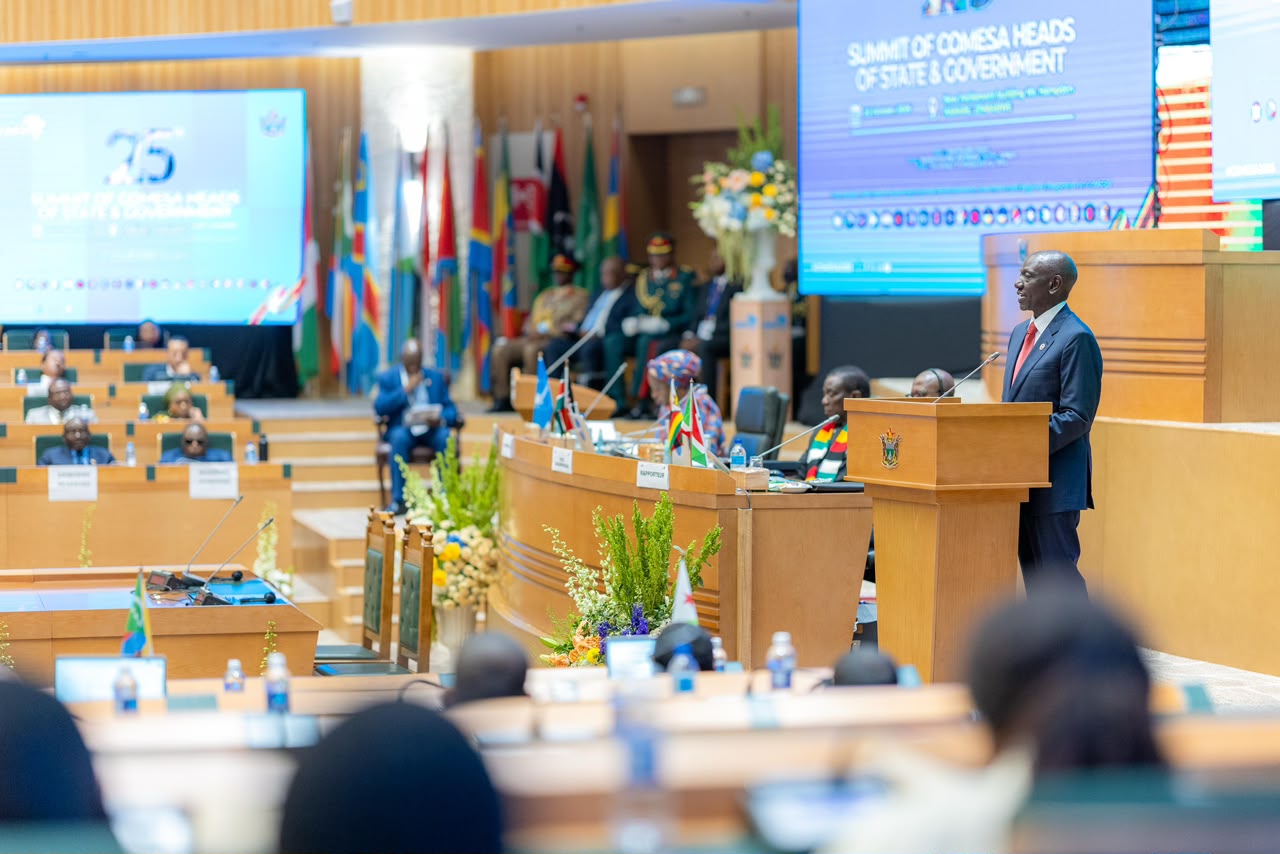
Speaking at the COMESA Summit in Harare, Zimbabwe, on Thursday, Ruto said regional commitments must be backed by realistic budgets and clear financing plans if they are to translate into meaningful improvements in citizens’ lives.
“Every programme we agree upon must be matched by the resources to deliver it. Otherwise, our communiqués will promise what our budgets cannot pay for,” the President said.
His remarks come as Kenyans continue to grapple with the cost of living, taxation, mounting public debt and growing demands for better public services, placing renewed attention on the relationship between government promises and the resources available to implement them.
Ruto Pushes for African-Led Development Financing
The President called on African governments to rethink how they finance development, arguing that the continent must reduce its dependence on expensive borrowing and make greater use of its domestic financial resources.
According to Ruto, Africa holds more than $4 trillion in domestic financial assets, including funds managed by central banks, insurance companies and capital markets. He questioned why the continent continues to face funding constraints despite the significant capital available within its own financial systems.
“Can we finance what we commit and can we deliver what we finance?” he asked, challenging leaders to take greater responsibility for financing their development priorities.
Ruto also advocated for stronger African financial institutions, saying increased investment in these institutions would help mobilise local capital for infrastructure, industrialisation and regional trade.
He cited Kenya’s increased shareholding in Afreximbank, the Africa Finance Corporation and other regional institutions as part of efforts to strengthen Africa’s capacity to finance its own economic transformation.
$16 Billion Refinery Project
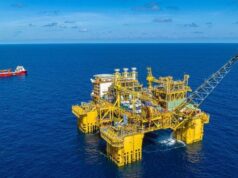
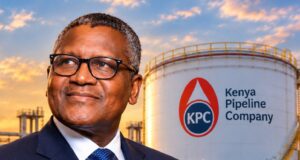
In his address, Ruto disclosed that a proposed $16 billion refinery in Kenya would be financed almost entirely by African financial institutions.
However, he did not provide further details about the project’s ownership, financing arrangements or expected construction timeline during the speech.
The proposed refinery forms part of the broader development vision he outlined, centred on mobilising African capital to support large-scale industrial projects and reduce reliance on external financing.
Ruto Calls for an End to Raw Material Exports
The President criticised Africa’s longstanding economic model, in which countries export raw materials, import finished products and rely on costly borrowing to cover the financial gap.
“For too long, our engagement with the world has followed one script: we export raw materials, we import finished goods, and we borrow at a premium to make the difference,” he said.
“That script, I dare say, has run its course.”
Ruto called for international partnerships that support local manufacturing and the processing of African raw materials within the continent, arguing that such investments would create employment, strengthen local industries and retain more economic value in African countries.
He maintained that African nations were seeking equal partnerships rather than preferential treatment or relationships that reinforce economic dependence.
“We do not want to be treated special; we want to be treated equal,” he said.
COMESA Trade Records Growth
Ruto made the remarks while handing over the chairmanship of the COMESA Authority, the regional body comprising 21 member states working to promote trade and economic integration.
He reported that trade among COMESA member states had increased by 10.5 per cent to $14.7 billion, while exports from the bloc to markets outside the region grew by six per cent to $212 billion.
The President urged member states to strengthen regional commerce by increasing the production and consumption of African-made goods, arguing that deeper economic integration could expand employment opportunities and improve the continent’s competitiveness.
He also called on COMESA to accelerate the development of a sustainable financing strategy to ensure that regional programmes have adequate resources for implementation.
Ruto said the ultimate test of regional cooperation was not the number of declarations made at summits, but whether governments could turn those commitments into practical outcomes for their citizens.
His message was clear: Africa’s development ambitions must be supported by credible financing plans, stronger domestic institutions and the political will to deliver on promises made to the public.