
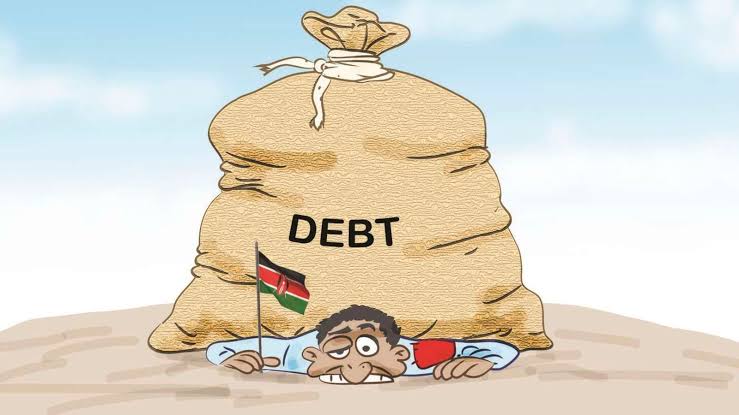
Kenya has a debt problem, and it is increasingly becoming a stumbling block to development. We must rethink how we finance our national ambitions. Our natural resources should help us retire debt, unlock capital and put the country back on a sustainable economic path. Going forward, we should never borrow beyond 5% of GDP without stringent parliamentary approval.
Ideally, the National Government should concentrate on strategic, large-scale investments that drive national productivity and economic competitiveness. These include transnational highways, national railway networks, oil pipelines, refineries, satellite infrastructure, national fibre-optic networks, warehousing facilities, communication networks, national security and defence, coordination of government functions, international trade and diplomacy.
Yet our National Government increasingly finds itself competing with County Governments over smaller development projects: local markets, intra-ward roads, housing initiatives and donations of school buses. These projects may be necessary, but they should not overshadow the strategic responsibilities of the national government.
We cannot entirely blame the situation. Our fiscal space is constrained, and the resources available for national priorities are limited. Consequently, the government is drawn into projects that should ordinarily be handled at the county level.
This is precisely why we must rethink our approach to natural resources.
Rather than continually accumulating debt, Kenya should explore strategic debt-for-equity arrangements in which the value of its natural resources is leveraged to reduce debt obligations, attract investment and release public funds for more productive national priorities.
Mrima Hills, for instance, holds enormous mineral potential and could be an important part of Kenya’s economic turnaround. Turkana’s oil resources present another opportunity. We must also seriously explore the development of gold refining and other mineral-processing industries.
However, these investments must not become another story of resource extraction without local prosperity. Communities hosting these resources must be major beneficiaries through equity participation, employment, infrastructure, royalties and direct economic opportunities.
Investors must pay their fair share of taxes as they explore and commercialise these resources. Kenya must retain a meaningful stake in its natural wealth while creating an environment that attracts responsible investment.
We must also entrench fiscal discipline in law. Borrowing should be capped at 5% of GDP, with any exceptional borrowing subjected to rigorous parliamentary scrutiny, clear justification and strict accountability. Public debt must become an instrument of development, not a permanent burden on future generations.
Ultimately, the vision is simple: The Company Called Kenya must finally become profitable enough to pay dividends to its owners — the Kenyan people. We should build an economy in which national resources generate wealth, public institutions deliver value and citizens can see tangible returns from the ownership of their country.
But at the heart of all this is politics.
We cannot build a different Kenya with the same approach to political leadership. We must organise ourselves to take our very best into politics: competent, visionary, ethical and capable people who understand the business of running a country.
This must become a national agreement among Kenyans. Let us take our best to politics. Better leadership will produce better institutions, better policies and, ultimately, a better Kenya.
It is possible. We can build a country that lives within its means, invests strategically and creates wealth for its people.